
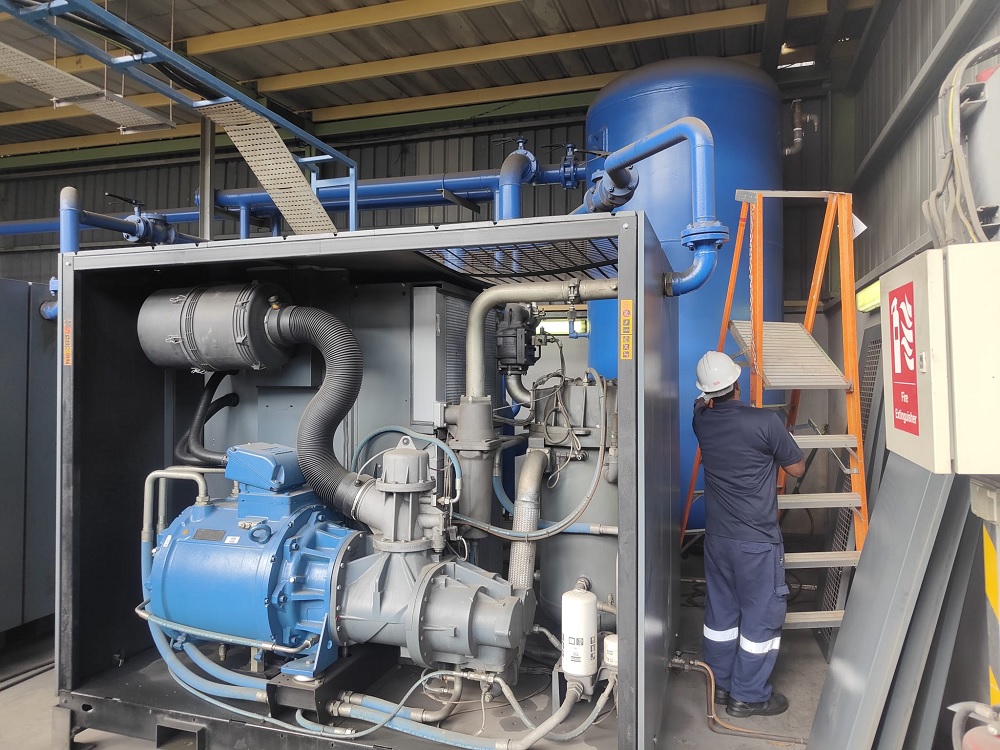
Businesses purchasing an air compressor for the first time often focus almost entirely on price and horsepower rating, overlooking practical factors like supplier support, installation requirements, and how the equipment will integrate with existing operations. This narrow focus can lead to a purchase that looks like good value on paper but creates ongoing frustration in daily use. Reviewing air compressor Singapore helps broaden the evaluation beyond price alone before a decision is made.
Common Mistakes When Buying a First Compressor
A common mistake is choosing a compressor based solely on the horsepower rating without considering actual air demand, duty cycle, or the specific tools and processes it needs to support. Another frequent error is overlooking installation requirements, such as electrical supply capacity, until after the equipment has already arrived on site. A third common issue is failing to account for pressure drop across a long or poorly sized pipe run, which can leave equipment at the far end under performing.
Evaluating Supplier Support and Service Coverage
A supplier’s ability to provide timely servicing and spare parts matters considerably more once a compressor is in daily use than it does at the point of purchase, yet this is often the factor businesses research least thoroughly beforehand. Asking about service response times and technician availability in the local area is a reasonable question to raise before finalising a purchase. A supplier without local technicians may still be a reasonable choice for a lower-risk application, but the trade-off should be a conscious one.
Understanding Warranty Terms Before Committing
Compressor warranties vary in what they actually cover, with some limited to manufacturing defects and others extending to labour and consumable parts for a defined period. Reading the warranty terms carefully, rather than assuming standard coverage applies, avoids an unwelcome surprise if a fault develops during the warranty period. Some warranties are also conditional on servicing being carried out by an approved technician, which is worth confirming before arranging maintenance independently.
Comparing Compressor Types Before Deciding
Businesses weighing up different compressor types benefit from reviewing singapore air compressor to understand how the options differ beyond a simple price comparison. This broader view often reveals a better-suited option than the first product initially considered.
Planning for Future Capacity Needs
A business experiencing steady growth should consider whether a compressor purchased today will still meet demand in several years, since undersizing for anticipated growth often means an earlier and more disruptive replacement than planning with some headroom from the outset. Discussing growth plans openly with a supplier helps inform a more future-proof recommendation. A modular setup allowing additional capacity to be added later can also be worth considering for a business still uncertain about its exact growth trajectory.
Noise and Placement Considerations
Compressor noise levels vary significantly between models, and a unit installed near an occupied work area or a shared boundary with a neighbouring business may need a lower-noise specification or additional sound insulation to avoid ongoing complaints. Addressing this during the planning stage is far simpler than retrofitting noise mitigation after installation. Enclosed or cabinet-style compressors are worth considering specifically for this reason in a noise-sensitive location.
Financing and Total Cost Considerations
Some suppliers offer financing or leasing arrangements that spread the cost of a compressor purchase over time, which can suit a business managing cash flow carefully, though this should be weighed against the total cost compared with an outright purchase. Comparing the full cost across the equipment’s expected working life, not just the monthly payment figure, gives a clearer picture. A leasing arrangement can also simplify budgeting for a business that prefers predictable monthly costs over a large upfront outlay.
Training Staff on Safe Operation
Staff operating or working near a compressor benefit from basic training on safe operation, including pressure relief procedures and routine visual checks, particularly in a workplace where the equipment is shared across multiple staff members. A brief training session at installation is a small investment against the risk of misuse or a missed early warning sign. Refreshing this training periodically, rather than treating it as a one-time briefing, helps the habit stick over time.
Connecting Compressor Planning to Lab Procurement
Businesses that also operate testing or quality control functions on site should consider how compressed air needs align with other equipment procurement, and reviewing medical labs alongside compressor planning ensures both purchasing decisions are handled with the same level of diligence. Treating these as connected rather than separate procurement exercises often improves outcomes on both fronts.
Making a Well-Informed Purchase
Choosing the right air compressor as a business goes well beyond comparing sticker prices, extending to supplier support, warranty terms, and how the equipment fits into both current operations and future growth plans. Taking the time to evaluate these factors properly before committing avoids a purchase that becomes a source of ongoing frustration rather than a reliable piece of operational infrastructure. A well-considered decision, made this way, tends to serve a business reliably for many years.


