
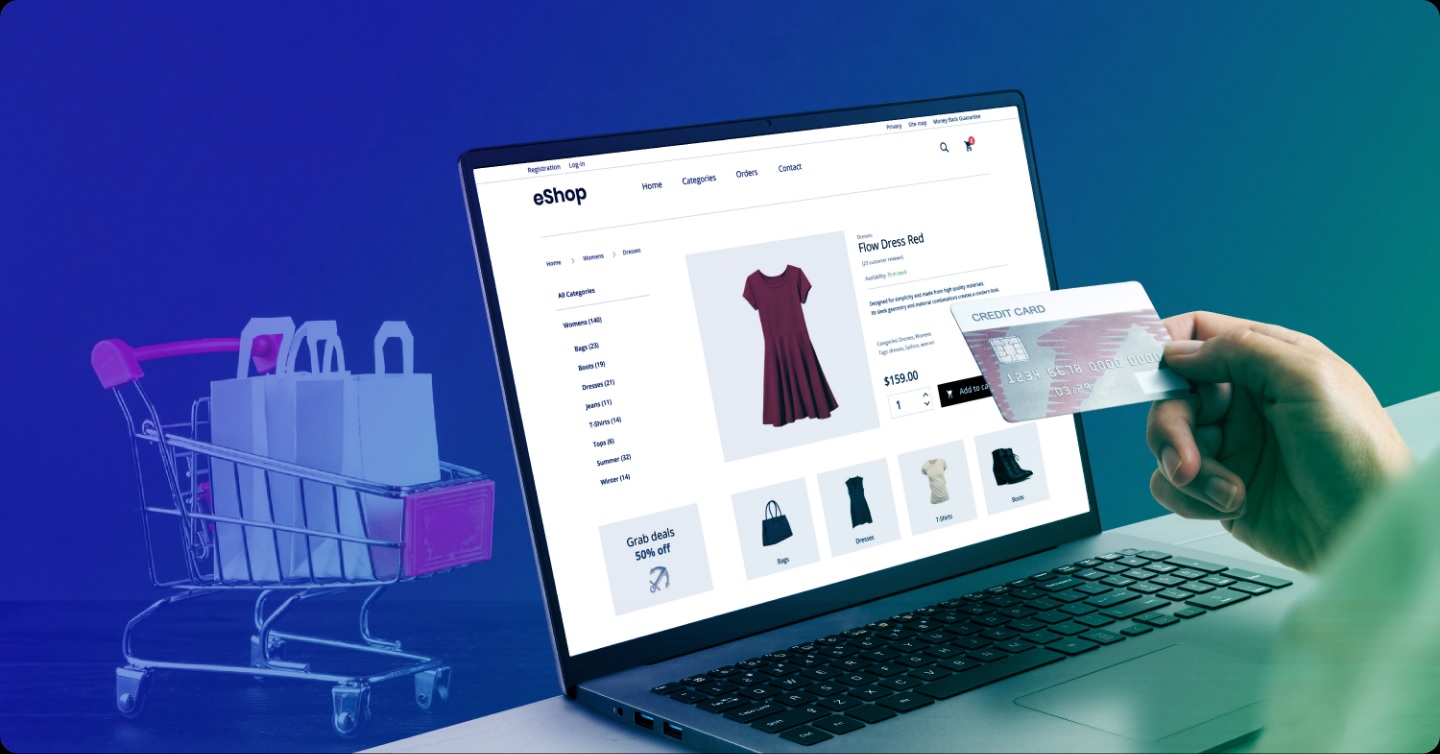
Introduction: A New Era of Commerce
The 21st century has ushered in a remarkable transformation in how goods and services are bought and sold. E-commerce and online businesses have emerged as powerful catalysts, reshaping global trade, consumer behavior, and entrepreneurial possibilities. With just a click or tap, a world of products becomes accessible, and new ventures can flourish without the traditional constraints of brick-and-mortar infrastructure. This article explores the evolving landscape of e-commerce, its economic significance, challenges, and the strategic foresight required to thrive in this dynamic arena.
The Evolution of E-commerce
From its nascent days in the 1990s, when Amazon sold books online and eBay connected individual sellers, e-commerce has evolved into a sophisticated, multi-trillion-dollar global industry. The once-novel concept of shopping online is now an everyday habit for billions.
Key milestones in e-commerce evolution include:
-
1995: Amazon and eBay launch, pioneering the online retail frontier.
-
2000s: Rise of mobile commerce with smartphones entering the mainstream.
-
2010s: Introduction of AI, personalized recommendations, and seamless payment gateways.
-
2020s: Explosion of e-commerce during the COVID-19 pandemic, with both necessity and convenience driving growth.
Today, platforms like Shopify, Etsy, Alibaba, and countless niche marketplaces empower even the smallest business to reach a global audience.
Advantages of E-commerce & Online Business
The appeal of e-commerce lies in its unmatched scalability, efficiency, and adaptability. Compared to traditional retail models, online business offers unique advantages that can be leveraged by enterprises of all sizes.
Key benefits include:
-
Low Overhead Costs
Operating online significantly reduces the expenses associated with physical storefronts, utilities, and on-site staff. -
Global Reach
With digital infrastructure, businesses can access international markets without the need for physical expansion. -
24/7 Availability
E-commerce platforms never close. Customers can shop at their convenience, improving sales potential. -
Data-Driven Decision Making
Analytics tools enable businesses to track customer behavior, preferences, and trends, allowing for more strategic marketing and product development. -
Personalization at Scale
Machine learning algorithms help deliver customized experiences to users, increasing engagement and conversion rates.
The Anatomy of a Successful Online Business
Launching an online business involves more than uploading products to a website. It demands strategic planning, technical know-how, and a deep understanding of market dynamics.
Key pillars of a thriving online business include:
-
A Strong Brand Identity
Consistent branding—across website design, product presentation, and customer service—establishes trust and sets a business apart. -
Responsive, Intuitive Website Design
User experience is paramount. A mobile-optimized, fast-loading website ensures higher engagement and lower bounce rates. -
Effective Digital Marketing
Leveraging SEO, social media advertising, influencer collaborations, and email campaigns is essential for visibility and customer acquisition. -
Secure, Streamlined Checkout Process
Minimizing friction in the buying process, with multiple payment options and clear return policies, boosts customer satisfaction. -
Efficient Fulfillment & Logistics
Reliable shipping, inventory management, and customer support are crucial to maintaining credibility and encouraging repeat business.
Emerging Trends in E-commerce
The e-commerce space is in perpetual motion, with innovation driving the way forward. Staying ahead of the curve is vital for maintaining competitive advantage.
Prominent trends include:
-
Social Commerce
Platforms like Instagram, TikTok, and Facebook have become powerful selling tools, merging content with commerce. -
Voice Search & Conversational AI
Smart speakers and chatbots are changing how users interact with e-commerce platforms, pushing businesses to adopt voice-optimized strategies. -
Augmented Reality (AR)
AR enables customers to visualize products in real-world contexts, particularly in fashion, home décor, and beauty industries. -
Sustainable E-commerce
Consumers are increasingly drawn to brands that prioritize eco-friendly packaging, ethical sourcing, and carbon neutrality. -
Subscription Models
From curated boxes to recurring deliveries, subscription-based businesses offer convenience and customer retention benefits.
Challenges and Considerations
Despite its many benefits, the online business landscape is not without hurdles. Entrepreneurs and enterprises must remain vigilant and adaptable.
Key challenges include:
-
Cybersecurity Threats
Protecting customer data and payment information is critical. A single breach can tarnish a brand’s reputation permanently. -
High Competition
The low barrier to entry in e-commerce results in saturated markets, necessitating clear differentiation and strong value propositions. -
Changing Algorithms
Businesses reliant on platforms like Google, Facebook, or Amazon must stay agile to cope with frequent algorithm changes affecting visibility. -
Logistics Complexities
Managing global shipping, customs, and returns can be daunting, particularly for small businesses expanding internationally. -
Customer Expectations
Online shoppers expect swift service, free shipping, and flexible returns. Meeting these demands can strain operations and margins.
The Future Outlook
E-commerce and online business are not fleeting trends; they are foundational to the future of commerce. As digital infrastructure continues to mature, the line between physical and digital retail will blur, giving rise to hybrid experiences like click-and-collect, virtual fitting rooms, and AI-powered customer assistants.
Key predictions for the coming decade:
-
Blockchain will enhance transparency in supply chains and payment systems
-
Artificial Intelligence will further personalize the customer journey
-
Virtual reality shopping experiences will bring immersive engagement
-
Automation will streamline warehouse and inventory operations
Conclusion: Embracing the Digital Marketplace
The digital age has redefined entrepreneurship, democratizing access to markets and enabling innovation at unprecedented scales. E-commerce and online business represent not just a shift in technology, but a transformation in how we relate to commerce, community, and opportunity. For individuals and enterprises alike, the future belongs to those who embrace adaptability, cultivate trust, and leverage digital tools with vision and integrity.

 Brandz Business