
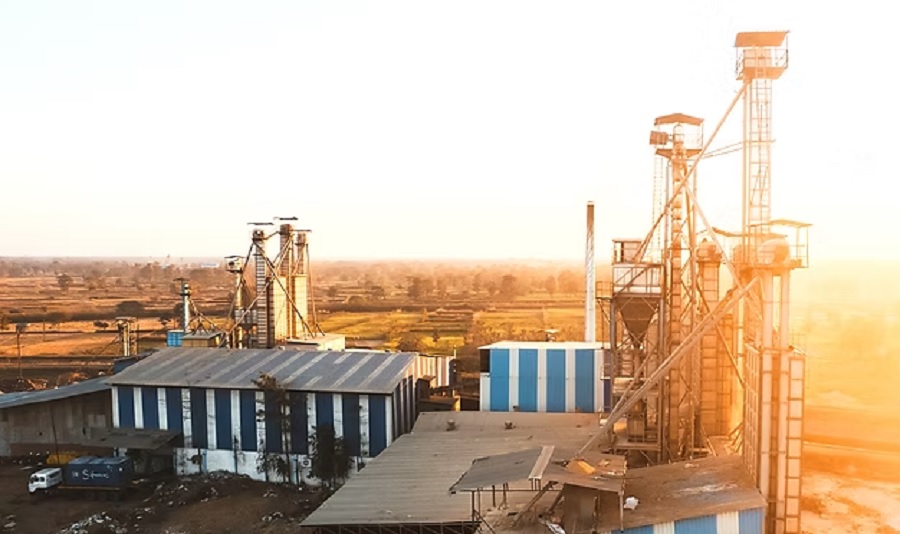
Introduction: The Lifeblood of Civilization
Industries are the structural and economic bedrock upon which modern civilization rests. They are not merely clusters of factories or businesses, but intricate systems of production, innovation, and labor that shape the way societies function, thrive, and evolve. From the steel mills that forged the foundations of modern cities to the cutting-edge biotech labs redefining healthcare, industries embody progress, resilience, and transformation. Understanding their scope, significance, and future trajectory is essential to comprehending the forces that mold our globalized world.
Understanding the Industrial Spectrum
Industries are typically categorized based on the nature of their operations and outputs. These classifications form an economic ladder where value is created, refined, and distributed.
Primary Industries
These industries involve the extraction and harvesting of natural resources. They form the base of all economic activity and include:
-
Agriculture
-
Forestry
-
Fishing
-
Mining and quarrying
Secondary Industries
Also known as manufacturing industries, these sectors transform raw materials from primary industries into finished or semi-finished goods. Examples include:
-
Automobile production
-
Textile and apparel manufacturing
-
Construction and engineering
-
Chemical and pharmaceutical manufacturing
Tertiary Industries
This category is service-oriented, encompassing activities that provide support and distribution. Key areas include:
-
Retail and wholesale trade
-
Transportation and logistics
-
Financial services
-
Healthcare and education
Quaternary and Quinary Sectors
Modern economies have expanded into more refined classifications. The quaternary sector includes knowledge-based industries such as IT, R&D, and consultancy, while the quinary sector refers to high-level decision-making roles in government, academia, and business.
Historical Evolution: From Steam to Silicon
The growth of industries is deeply intertwined with pivotal technological and social revolutions. The First Industrial Revolution, originating in 18th-century Britain, introduced mechanization through water and steam power. The Second Industrial Revolution expanded on this with electricity, steel, and mass production. The Third, in the late 20th century, was driven by electronics and digital technologies. Today, we are experiencing the Fourth Industrial Revolution—a fusion of AI, robotics, IoT, and quantum computing, drastically transforming how industries operate.
The Role of Industries in Economic Development
Industries are not just economic entities; they are powerful agents of development and social mobility. Their influence extends across multiple dimensions:
-
Employment Generation: Industries provide jobs to millions across diverse skill levels, from manual laborers to software engineers.
-
Urbanization and Infrastructure: Industrial growth often drives the development of cities, roads, ports, and utilities.
-
Innovation and Competitiveness: Research and technological advancement thrive in industrial hubs, boosting national productivity.
-
Export Earnings: Industrial products, especially in sectors like electronics, automobiles, and garments, contribute significantly to a nation’s GDP through foreign trade.
-
Social Change: The spread of industrial jobs often alters traditional social structures, promotes gender inclusion, and encourages education and skill development.
Challenges Facing Contemporary Industries
Despite their strengths, industries face mounting global challenges that demand strategic foresight and ethical commitment.
-
Environmental Sustainability: Industrial activity has long been a major contributor to pollution and climate change. The need for green technologies and sustainable practices is urgent.
-
Technological Disruption: Automation and AI are reshaping job markets, requiring reskilling and workforce adaptation.
-
Supply Chain Vulnerabilities: Geopolitical instability, pandemics, and natural disasters have exposed the fragility of global supply systems.
-
Regulatory Pressures: Industries must navigate increasingly complex legal, safety, and labor regulations in both domestic and international markets.
-
Equity and Inclusion: Ensuring fair wages, safe working conditions, and diversity within industrial workplaces remains an ongoing priority.
Future Outlook: Innovation with Responsibility
As the world navigates economic uncertainty, technological acceleration, and environmental crisis, the future of industries hinges on balanced progress. The path forward must prioritize:
-
Smart Manufacturing: Leveraging AI, IoT, and machine learning for efficient and adaptive production systems.
-
Green Transition: Shifting to renewable energy, circular economies, and sustainable resource management.
-
Workforce Empowerment: Investing in education, digital literacy, and lifelong learning to future-proof labor markets.
-
Inclusive Growth Models: Ensuring that industrial benefits extend to rural areas, marginalized communities, and developing economies.
Conclusion: The Ever-Evolving Industrial Tapestry
Industries are not static monuments of production; they are living, evolving ecosystems that reflect human ingenuity, ambition, and responsibility. As the world becomes more interconnected and interdependent, industries must rise not only as economic powerhouses but as stewards of sustainable development. Their future lies in harmonizing progress with purpose—where innovation fuels not just profits, but the collective betterment of societies across the globe.

 Brandz Business